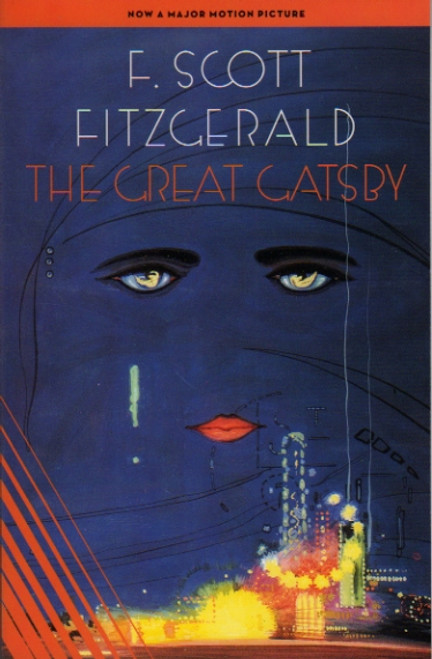


Description
The Great Gatsby Literature Study Guide
Select the Printed Workbook or CD to see format-specific information, features, and included materials.
Having recently returned from military duty overseas during the Great War, Nick Carraway is restless and tired of his provincial life in the Midwest. He moves East to get into the bond market and soon finds himself living among the idle rich on Long Island. Nick reacquaints himself with his cousin, Daisy Buchanan, and her husband, Tom, and through them he meets the "incurably dishonest" Miss Baker, for whom he begins to develop a romantic interest. Nick soon learns of Daisy's deep unhappiness and Tom's affair with Myrtle Wilson, a married woman.
Before long, Nick is drawn inextricably into their lives and to one man who still believes in the American Dream—Jay Gatsby. As Nick and Gatsby are carried along by forces that neither of them fully controls or understands, they will experience the consequences of materialism, deceit, and petty self-interest.
What Progeny Press' The Great Gatsby Literature Curriculum Study Guide provides your High School student:
ELA Built for Ages 16–18 • Grades 10–12
Our faith-based literature study guide helps students strengthen their reading and comprehension skills through engaging, age-appropriate activities.
English/Language Arts credit: This is a one-quarter credit high school level Literature curriculum.
Author Biography: Learn about F. Scott Fitzgerald and the fascinating background behind the author and novel.
Vocabulary: Understand words used throughout the novel, utilizing a variety of activities to stimulate retention and growth.
Literary Techniques: Character study, personification, imagery, allusion, symbolism, dramatic irony, tone, grammatical change analysis, paradox, juxtaposition, Gothic imagery, title analysis, plot, tragic flaw, theme.
Moral Lessons and Character Values: Ecclesiastes and the pursuit of pleasure, priorities, adultery, struggle between temptation and doing what is right, drunken foolishness, true friendship, camaraderie, materialism, pursuing dreams, self-worth, naivety, living in the past, death, view of God, life goals, Good Samaritan, comfort in sorrow, Christian hopes vs. worldly hopes.
Activities and Writing Assignments: Research 1920s clothing design and textiles and create designs or posters, research: The Lost Generation, Prohibition, the American Dream, materialism, track relationships, literary technique research, T.S. Eliot analysis, art imagery, biblical marriage study, define success, Kant’s philosophies, essays: eyes of God, use of color, compare and contrast, character growth, personal reactions to characters.
Suggestions for Further Reading: We include an in-depth reading list of more books by the same author(s) and other books that tie in with, or are similar to, The Great Gatsby by F. Scott Fitzgerald.
The Great Gatsby Literature Study Guide - Workbook
Formatted with your High School student in mind, Progeny Press literature study guides provide in-depth lessons and writing assignments that strengthen reading comprehension, expand vocabulary, and develop advanced literary analysis and essay writing skills. Each guide challenges students to think critically and engage meaningfully with the text, without unnecessary busywork that diminishes the joy of reading.
For over 30 years, homeschool families, co-ops, and Christian schools worldwide have trusted Progeny Press to provide rigorous, faith-based English and Language Arts curriculum that inspires thoughtful readers and confident writers.
What Progeny Press' The Great Gatsby Literature Curriculum Study Guide provides your High School student:
ELA Built for Ages 16–18 • Grades 10–12
Our faith-based literature study guide helps students strengthen their reading and comprehension skills through engaging, age-appropriate activities.
English/Language Arts credit: This is a one-quarter credit high school level Literature curriculum.
Author Biography: Learn about F. Scott Fitzgerald and the fascinating background behind the author and novel.
Vocabulary: Understand words used throughout the novel, utilizing a variety of activities to stimulate retention and growth.
Literary Techniques: Character study, personification, imagery, allusion, symbolism, dramatic irony, tone, grammatical change analysis, paradox, juxtaposition, Gothic imagery, title analysis, plot, tragic flaw, theme.
Moral Lessons and Character Values: Ecclesiastes and the pursuit of pleasure, priorities, adultery, struggle between temptation and doing what is right, drunken foolishness, true friendship, camaraderie, materialism, pursuing dreams, self-worth, naivety, living in the past, death, view of God, life goals, Good Samaritan, comfort in sorrow, Christian hopes vs. worldly hopes.
Activities and Writing Assignments: Research 1920s clothing design and textiles and create designs or posters, research: The Lost Generation, Prohibition, the American Dream, materialism, track relationships, literary technique research, T.S. Eliot analysis, art imagery, biblical marriage study, define success, Kant’s philosophies, essays: eyes of God, use of color, compare and contrast, character growth, personal reactions to characters.
Suggestions for Further Reading: We include an in-depth reading list of more books by the same author(s) and other books that tie in with, or are similar to, The Great Gatsby by F. Scott Fitzgerald.
What Will You Need?
A Complete Language Arts Experience with Progeny Press
- A copy of the The Great Gatsby novel
- A copy of the The Great Gatsby study guide workbook
- A Bible (digital or physical)
- A dictionary (student-friendly or online)
Created for upper-level learners, this guide strengthens critical thinking and encourages polished writing while helping students master essential ELA concepts.
Designed for YOU
- Homeschool families looking for Christian literature curriculum
- Schools looking for top quality ELA materials
- Parents wanting to build reading comprehension and character
- Co-ops and small group instruction
These guides work well on their own or alongside your preferred grammar and writing program.
Features and Benefits FAQ – Progeny Press Physical Literature Study Guide:
Why Schools & Families Love Our Printed Workbook Literature Study Guides:
- Premium Print Format: Perfect bound 8.5x11 study guide with durable heavy gloss cover and quality interior paper designed for long-term classroom and homeschool use.
- Answer Key Made Simple: Full detailed answer key included on perforated pages for quick removal before student use, making instruction easier for teachers and parents.
- Student-Friendly Design: Built-in space for written answers supports active learning, critical analysis, and organized responses directly inside the book.
- Reproducible for Classroom Use: Approved for classroom copying, making this an ideal choice for Christian schools, co-ops, and group instruction.
- Faith-Based Curriculum: Each literature guide integrates Christian worldview connections with literature study, encouraging both academic growth and character development.
- Open-and-Go Teaching: Clear lesson structure and teacher guidance allow parents and instructors to begin immediately without extra preparation. No extra devices needed. Just the book, a pencil, and a positive attitude!
- Comprehensive ELA Coverage: Strengthens reading comprehension, writing skills, vocabulary development, and literary analysis within one complete language arts program.
- Trusted for Over 30 Years: Chosen by homeschool families, Christian schools, and educators seeking reliable, high-quality literature study resources.
All of Progeny Press' language arts PDF download unit lessons are written from a Christian worldview!